Compressor Station Construction
Client: Oil and gas producer
Project Type: New natural gas compressor station
Location: Marcellus Basin
Challenge
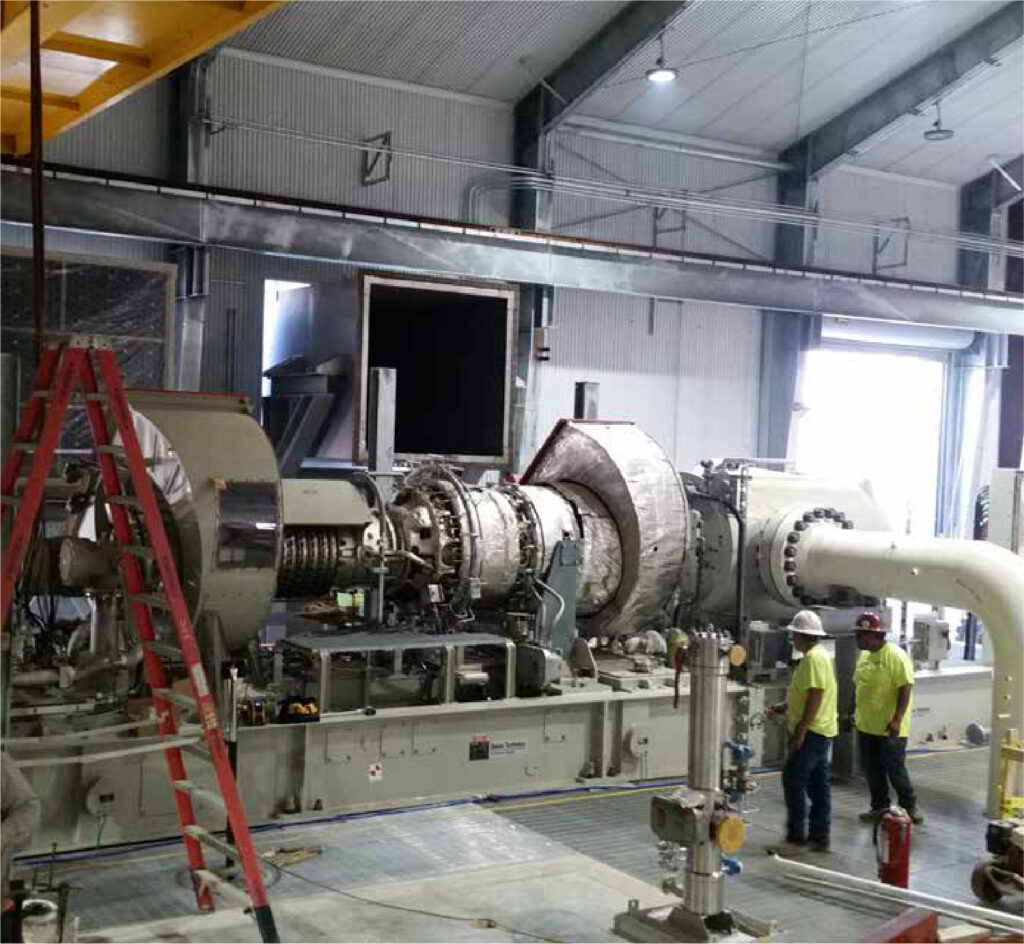
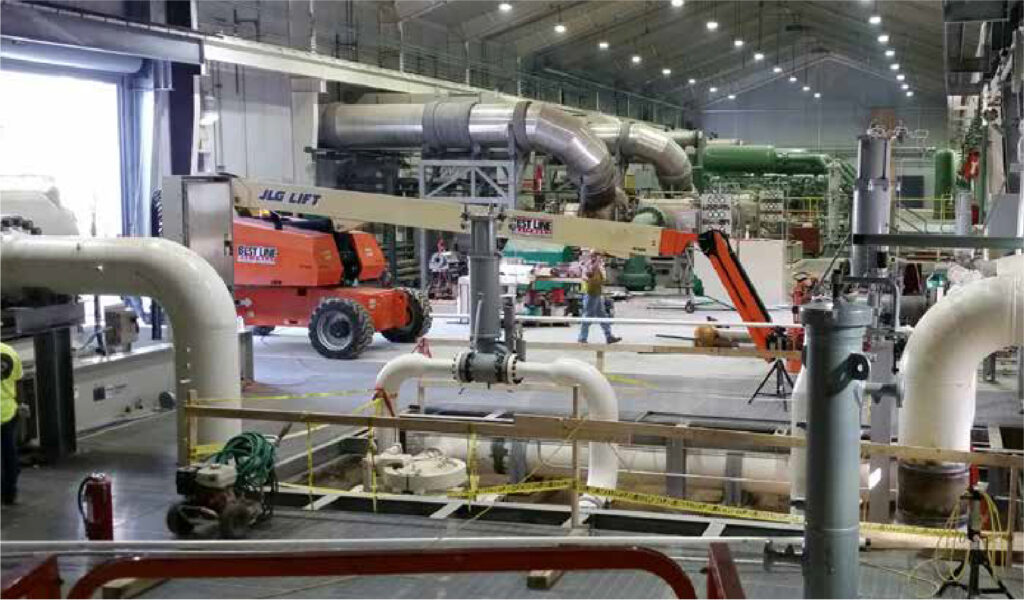
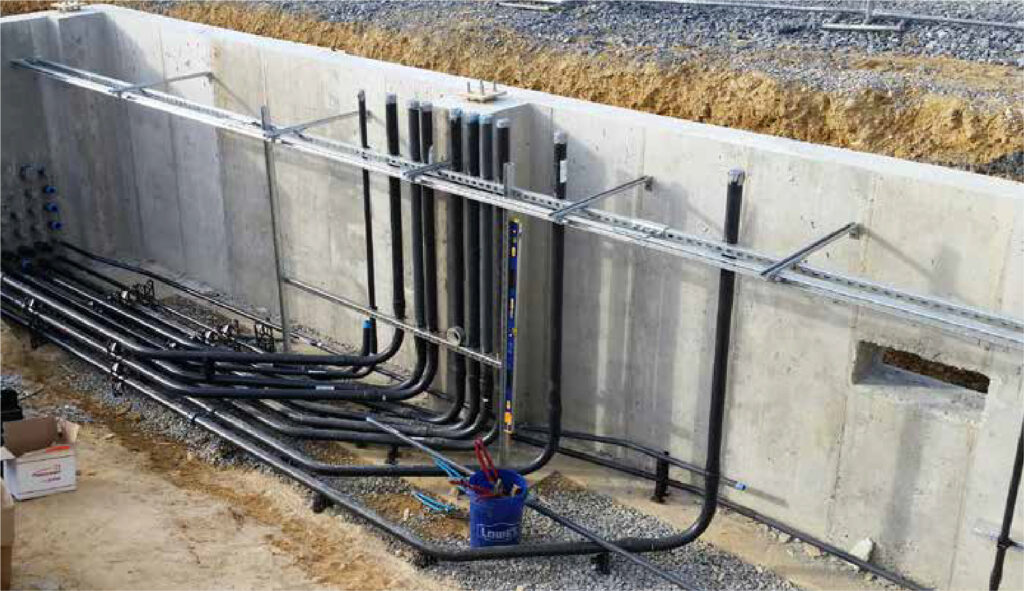
Our client required new construction of a compressor station used in the delivery of natural gas to market. It would incorporate dehydration (gas drying) and filtering capabilities and feed into a gas transmission company’s meter and regulation station. The compressor station required a main line tap for 300-MMSCFD capacity plus correctly sized piping and valves left in place so that facility operations would not be disrupted during future expansions.
Vavco Solution
Vavco provided the mechanical design, and construction of the compressor station took place over three phases from May 2018 to August 2023. We specified all mechanical- and control-related items, as well as most of the electrical items (excluding utility interconnect equipment). All items were configured and commissioned by Vavco, including communication up to the SCADA provider. Vavco also designed the overall process for the facility and coupled it with our comprehensive automation package. This combination enables mostly remote operation and limited downtime.
Client Benefits
Besides experiencing limited downtime during operation and compressor station expansion, our client also benefits from being able to monitor the site remotely. In some instances, our client can change set points remotely and even shut down or open up systems remotely.
What’s more, Vavco’s field inspection group maintained detailed quality control records during construction. Every pipe, fitting, and flange had its heat number documented, weld-mapped out to pinpoint their exact locations on site, with matching x-ray and coating reports to follow. Such detailed documentation would save the client tremendous amounts of time and effort in the event the compressor is audited by the state or federal government.
Project Direction
Several Vavco employees were responsible for this project’s success. Multiple field services and quality control inspections were provided by Josh Kunes (NACE I Certified & CP I [cathodic protection] Certified), Justin Ashbaugh, and Justin Cressley. Automation of the facility was made possible by Michael Fedorchak and Nathan Vavro.